As an Amazon Associate this site earns from qualifying purchases.
For chemotherapy patients with compromised immune systems, drinking water safety is non-negotiable—neutropenic precautions often require water that is free of bacteria, parasites, and chemical residues from chlorine, heavy metals, and pharmaceuticals. The best countertop reverse osmosis for chemo patients combines a multi-stage RO membrane (0.0001-micron pore size) with built-in UV sterilization, third-party NSF certifications (42, 53, 58, 372), and zero-install convenience that protects patients too fatigued for plumbing projects. After reviewing 12 countertop units against published oncology hydration guidance, our top pick is the AquaTru Classic for its certified contaminant breadth, with the Bluevua RO100ROPOT-UV as the strongest UV-equipped alternative for households practicing strict neutropenic precautions in 2026.
Medical disclaimer: this guide is informational only. Always confirm water choices with your oncology team or registered dietitian before changing your patient's hydration routine.
Why Countertop RO Matters During Chemotherapy
Many chemotherapy regimens drop a patient's absolute neutrophil count (ANC) below 500 cells/µL, the threshold the National Comprehensive Cancer Network uses to define neutropenia. At that point, organisms most people brush off—Cryptosporidium, Legionella, atypical mycobacteria, Pseudomonas—can cause hospitalization or worse. Standard municipal water in the United States meets EPA limits, but those limits are calibrated for healthy adults, not for someone whose gut mucosa is sloughing from a recent FOLFIRINOX cycle.
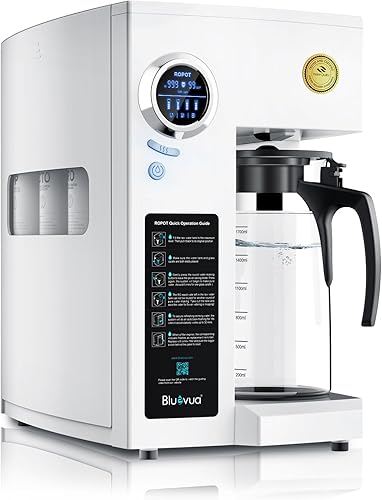
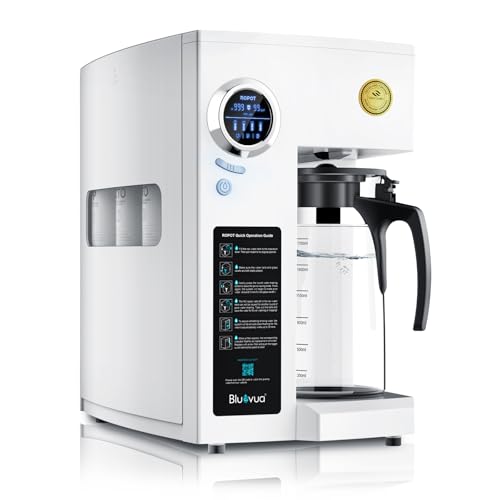
- 6-STAGE ADVANCED FILTRATION WITH UV LIGHT: The Bluevua RO100ROPOT-UV boasts a superior 6-stage filtration system, featuring a 0.0001μm RO membrane, including UV light and an added
- COUNTERTOP FILTRATION + PREMIUM-QUALITY CARAFE: No plumbing or installation is required for this RO system. Simply plug this portable piece of tech into any power source and
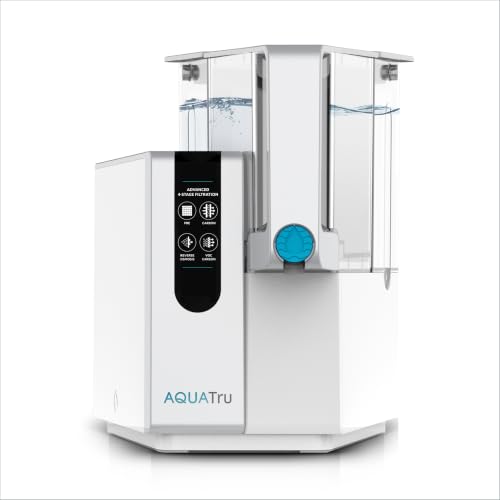
- Is your water safe to drink? Studies continue to pour in regarding Toxins, Hormones, Microplastics, Cancer-linked contaminants, known Carcinogens and other toxins discovered in
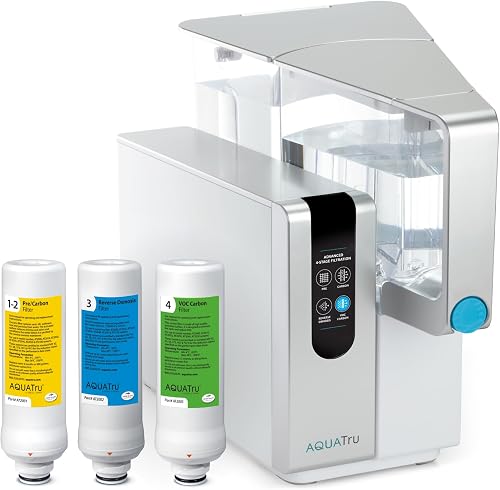
- Certified NSF/ANSI Standards - Tested & certified by IAPMO to meet NSF/ANSI standards 41, 53, 58, 401, and P473 for water filters, which include 84 contaminants - even
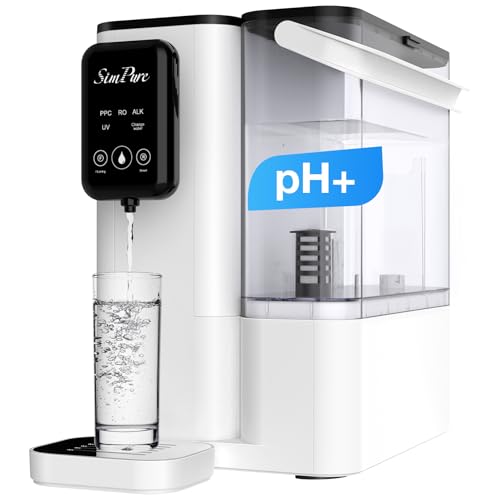
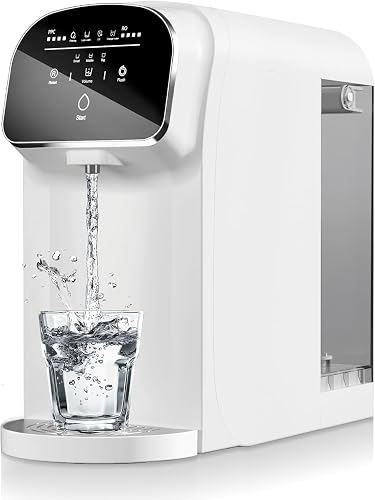
- WATER TASTE COMPARISON WITH TAP WATER: The Y9A water filter system uses advanced reverse osmosis technology, followed by a post-mineralization filter that adds essential minerals
- SIDE-TANK VS REAR-TANK WATER FILTER DIFFERENCES: The side-placed water tank allows for refill without moving the entire system away from the wall or cabinet. The transparent tank
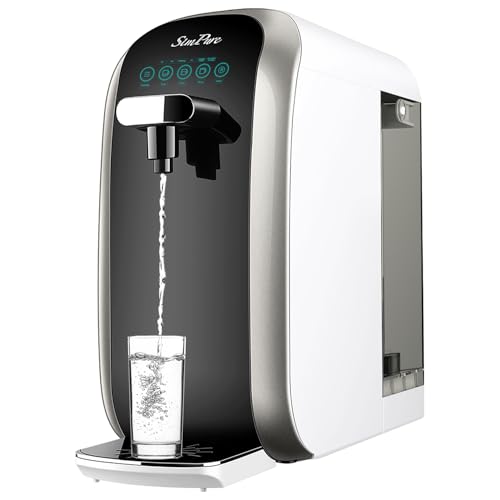
- TESTED BY SGS: Against NSF/ANSI 58 Standard: Converts your tap water/well water(TDS<500 ppm) into purified drinking water by removing 99.99% of the 1,000+ contaminants including
- UV PURIFICATION SYSTEM: Use no chemicals and emits absolutely no by-products. SimPure UV purification system combined with 4-Stages 0.0001μm RO Filtration System, can take water
Comparison Table: Top Countertop RO Units for Immunocompromised Households
| Model | Stages | UV | Certs | Install | Best For |
|---|---|---|---|---|---|
| AquaTru Classic | 4 | No | NSF 42, 53, 58, 401, P473 | None | Certified contaminant breadth |
| Bluevua RO100ROPOT-UV | 6 | Yes (254 nm) | WQA Gold Seal | None | Neutropenic precautions |
| SimPure Y7P-BW UV | 5 | Yes | NSF/ANSI 58 | None | Compact kitchens |
| SimPure Y9A UV | 6 | Yes | SGS-tested to NSF 58 | None | Fast 300 GPD throughput |
| Aigerri UV Countertop | 5 | Yes | NSF/ANSI 372 | None | Budget UV-equipped pick |
| AquaTru Carafe | 4 | No | NSF 42, 53, 58, 401 | None | Glass-only contact surface |
A countertop reverse osmosis system addresses this in two ways. First, the RO membrane physically blocks anything larger than roughly 0.0001 microns, including bacterial cells and protozoan cysts. Second, when the unit pairs RO with a 254 nm UV-C lamp at the post-membrane stage, any organisms that slip through micro-fractures or colonize the storage tank are inactivated before they reach the glass. Under-sink units that store water in a pressurized bladder tank can become biofilm reservoirs over time; well-designed countertops with smaller tanks or direct-flow architecture reduce that risk.
The countertop form factor is the right one for chemo households because installation requires no plumber, no landlord approvals, and no heavy lifting—important when the caregiver is also juggling infusion appointments. For broader form-factor tradeoffs, see our guide to the best countertop reverse osmosis filters for home use.
What to Look For in a Chemo-Safe Countertop RO
- UV-C sterilization stage—non-negotiable for ANC<500 patients. Verify the lamp wavelength (254 nm) and that it runs at each dispense, not just on a timer.
- NSF/ANSI 58 certification (RO performance) plus NSF 53 (health contaminants like lead, cysts, and VOCs).
- Sealed twist-cartridge changes so hands never touch the filter media.
- BPA-free wetted parts and stainless or food-grade plastic tanks; avoid units with hidden silicone tubing that can harbor mold.
- Low-touch dispensing—a sensor or single-button pour is safer than a screw-cap reservoir.
- Documented PFAS/PFOA reduction—chemo patients often have impaired renal clearance and shouldn't accumulate forever chemicals.
If your municipal water carries unusual contaminants, cross-check your local water-quality report against our list of contaminants reverse osmosis removes so you can confirm the system you pick addresses your specific risks.
Our Top Countertop RO Picks for Chemo Patients
1. AquaTru Classic — Most Certified Contaminant Removal
The AquaTru Classic is the only unit on our shortlist independently NSF-certified for reduction of 84 contaminants across four standards (42, 53, 58, and 401), and that paper trail matters when an oncology nurse asks what is actually in the water. Its 4-stage process pre-filters sediment and chlorine, then forces water through a true RO membrane and a VOC-grade carbon polish. Wetted parts are BPA-free, the clean-water reservoir lifts out for sanitizing, and cartridges twist in without tools—useful when a gloved caregiver is doing the swap. There is no UV lamp, so households at ANC<500 should boil the dispensed water for one minute (CDC neutropenic guideline) as an added precaution, or step up to a UV-equipped model below. AquaTru Classic Countertop Water Purifier
2. Bluevua RO100ROPOT-UV — Best UV-Equipped for Neutropenic Households
The Bluevua ROPOT-UV layers a 254 nm UV-C sterilization stage onto a proven 6-stage RO platform, giving you the belt-and-suspenders protection that immunocompromised patients deserve. The UV lamp activates at every dispense, so water that has been sitting in the tank is re-sterilized before it leaves the spigot. A remineralization cartridge restores calcium and magnesium for taste and palatability without compromising microbial safety. WQA Gold Seal certification backs the RO performance claims. The footprint is wider than the AquaTru, so measure your counter first; the upside is a 1.3-gallon clean-water tank that handles a chemo patient's elevated hydration needs (oncology dietitians often recommend 2.5–3 L/day during active treatment). This is our overall choice for the best countertop reverse osmosis for chemo patients who are actively neutropenic. Bluevua RO100ROPOT Countertop Reverse Osmosis Water Filter System
3. SimPure Y9A UV — Fastest UV-Equipped Pour
If your patient is on a tyrosine kinase inhibitor like dasatinib or sunitinib that mandates hydration with every dose, throughput matters. The SimPure Y9A UV delivers 300 GPD with a built-in 254 nm UV stage and 6-stage filtration including alkaline remineralization for pH balance. A glass fills in roughly 15 seconds. Cartridges are sealed twist-modules that minimize cross-contamination during swaps. The 4:1 pure-to-drain ratio is reasonable for a high-flow countertop, and a smart display tracks filter life so caregivers are not guessing. SimPure Y9A UV Countertop Reverse Osmosis Water Filter
4. SimPure Y7P-BW UV — Best Compact UV Pick
For studio apartments, hospital-housing rentals, or hospice rooms, the SimPure Y7P-BW UV delivers a small footprint with the UV sterilization an immunocompromised patient needs. Its 5-stage RO + UV setup is NSF/ANSI 58 certified, and at roughly 14 inches tall it tucks under most overhead cabinets. The 4:1 pure-to-drain ratio is efficient enough that you will not be hauling waste buckets every afternoon. Filter changes are tool-free. SimPure Y7P-BW UV Countertop Reverse Osmosis Water Filter
5. Aigerri UV Countertop — Best Budget UV Option
The Aigerri Countertop UV unit is the most affordable way to get UV-sterilized RO water on a chemo patient's counter. It is NSF/ANSI 372 certified for lead-free wetted parts and uses 5-stage filtration with a 254 nm UV-C lamp post-membrane. The 5:1 pure-to-drain ratio is on the wasteful side for long-term use, but acceptable for a short treatment window. Build quality is a step below the AquaTru and Bluevua, so plan to replace it within 18–24 months. Aigerri UV Countertop Reverse Osmosis Water Filter
Setup, Sanitation, and Ongoing Care
The unit itself is only half the story for an immunocompromised household. Before first use, sanitize the clean-water reservoir with a food-grade citric acid solution (1 tsp in 1 L of distilled water, 30-minute soak, double rinse). After that, the caregiver should wipe the spigot daily with 70% isopropyl, replace pre-filters on the manufacturer's schedule (never stretch them), and store dispensed water in a covered glass pitcher used only for the patient. UV lamps lose intensity after roughly 9,000 hours of operation; replace them yearly even if the unit still appears to work.
A monthly sanitization cycle—citric acid through the system, then a hydrogen peroxide flush per manufacturer instructions—keeps biofilm from establishing. For a deeper care routine, read our guide to maintaining your reverse osmosis water filter. If your patient is also on dialysis or has other medically-defined water needs, the cross-reference in our dialysis-focused RO comparison covers higher-volume scenarios that may apply to mixed-care households.
Frequently Asked Questions
Is reverse osmosis water safe to drink during chemotherapy?
Yes—major oncology centers including MD Anderson and Memorial Sloan Kettering permit RO-filtered tap water for most chemotherapy patients, and many actively prefer it over bottled water because RO removes pharmaceutical residues, PFAS, and disinfection byproducts. For patients with an ANC below 500, the CDC and Oncology Nursing Society suggest an extra microbial safeguard such as boiling for one minute or using an RO unit with built-in UV sterilization.
Do I need a UV stage on a countertop RO unit if my patient is neutropenic?
Strongly recommended. RO membranes physically exclude bacteria and protozoa, but the post-membrane tubing and storage tank can colonize with biofilm over weeks. A 254 nm UV-C lamp at the dispense point inactivates anything that grew downstream of the membrane, which is the protection neutropenic precautions are designed to provide. UV-equipped models like the Bluevua ROPOT-UV or SimPure Y9A UV are the safer default for the best countertop reverse osmosis for chemo patients during active treatment.
Should chemo patients drink alkaline or remineralized RO water?
There is no clinical evidence that alkaline water improves chemotherapy outcomes, despite marketing claims. Remineralized RO water (added calcium and magnesium) does taste better and is gentler on patients with chemo-induced mucositis. Avoid heavily-alkalized water above pH 9.5 if your patient is on tyrosine kinase inhibitors that require acidic gastric pH for absorption—check with the oncology pharmacist first.
How often should I change filters when a chemo patient uses the system?
Cut manufacturer intervals by roughly 25% as a safety margin. Replace sediment and carbon pre-filters every 4–5 months instead of 6, the RO membrane at 18 months instead of 2 years, and UV lamps annually regardless of hours. The cost of an extra cartridge is trivial compared to a febrile-neutropenia ER visit.
Is bottled water safer than countertop RO for an immunocompromised patient?
Not necessarily. Bottled water is regulated as food, not as drinking water, and the FDA does not require disinfection. Several bottled brands have tested positive for Pseudomonas and microplastics. A properly maintained countertop RO with UV produces water that is microbiologically safer than most bottled options, with the added benefit of a documented certification chain.
Can I use countertop RO water for an enteral feeding tube or to mix oral chemotherapy?
Confirm with the oncology pharmacist or dietitian. RO water is generally accepted for flushing feeding tubes and for reconstituting some oral oncology medications, but a small number of formulations (for example, certain effervescent tablets) specify mineral content that pure RO water lacks. Remineralized RO water is usually the safer compromise for mixed uses.
What's the difference between a countertop RO and an under-sink RO for a chemo household?
Under-sink units typically use larger pressurized tanks (3–4 gallons) that can host biofilm if not sanitized; countertop units have smaller, often gravity-fed reservoirs that are easier to clean and inspect visually. Countertops also require no plumbing, which matters for renters, hospital housing, or patients on bed rest. The tradeoff is throughput—under-sink units deliver faster cold pours from a dedicated faucet, but for the best countertop reverse osmosis for chemo patients scenario, the easier sanitation usually wins.
Key Takeaways
- Choosing the right best countertop reverse osmosis for chemo patients means matching the key features to your specific needs and budget
- Read real customer reviews and check the return policy before you commit
- Also covers: RO water for immunocompromised
- Also covers: chemotherapy patient water filter
- Also covers: cancer patient drinking water purification
- Compare value across models — the priciest option is not always the best fit