As an Amazon Associate this site earns from qualifying purchases.
Retrofitting a reverse osmosis system 1920s home galvanized pipes setup is one of the trickiest installs you can attempt. Century-old galvanized plumbing chokes line pressure to 30-45 PSI (modern RO membranes want 50-80 PSI), sheds iron and zinc particulate that destroys cheap pre-filters in weeks, and may include lead-soldered joints downstream of the meter. The right pick has three traits: a built-in booster pump, robust sediment pre-filtration, and either a 3/8" output line or a countertop bypass that ignores your house plumbing entirely. Below are the systems I recommend for pre-WWII housing stock, ranked by how well they tolerate corroded supply lines, rust sediment, and the unpredictable flow of old galvanized steel.
Why 1920s galvanized plumbing breaks standard RO systems
Galvanized steel pipe was the residential standard from roughly 1900 through the late 1950s. A century in, the inside diameter of a nominal 3/4" line is often choked down to 1/4" by tubercle buildup, and the zinc coating has long since failed, leaving exposed steel that sheds rust into every glass of water. A standard 50 GPD reverse osmosis system 1920s home galvanized pipes owners try to install usually fails for one of three reasons: incoming pressure is too low for the membrane to produce water at the rated rate, the 5-micron sediment pre-filter clogs in 4-6 weeks instead of 6-12 months, or dissolved iron fouls the RO membrane within a year. You need a system designed around those constraints, not against them.
The three non-negotiables
- Booster pump (built-in or add-on) to push pressure above 50 PSI at the membrane.
- Heavy sediment pre-filtration, ideally a separate 20" big-blue housing upstream of the RO unit.
- Iron tolerance — most RO membranes are rated for <0.1 ppm iron; old galvanized often runs 0.3-1.0 ppm.
iSpring RCC7P — the smart default for a reverse osmosis system 1920s home galvanized pipes install
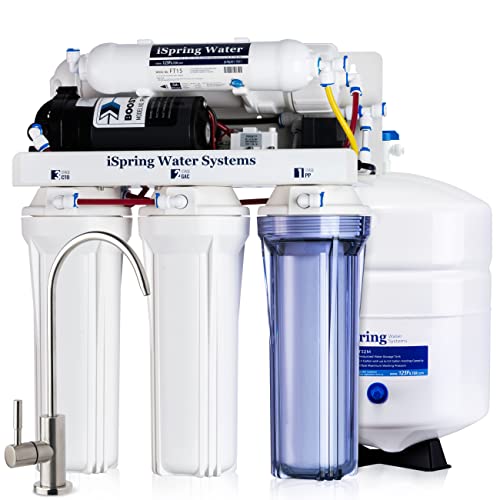
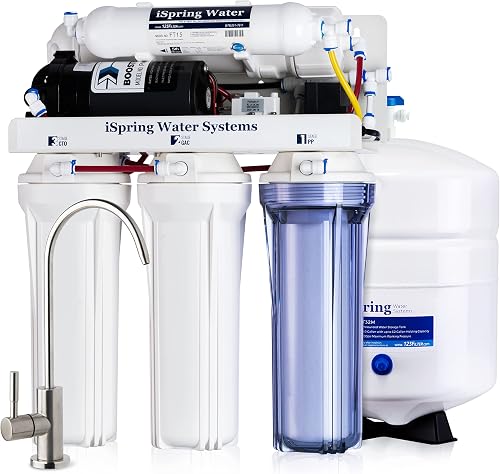
This is the unit I recommend first because it ships with an integrated permeate booster pump. In a 1920s bungalow with line pressure around 35 PSI, the pump pushes membrane-side pressure into the 60-70 PSI sweet spot where the 75 GPD membrane actually produces 75 GPD instead of a trickle. The patented top-mounted faucet design helps because old farmhouse sinks rarely have a standard 1/2" knockout — you can drill a new hole or sometimes reuse a sprayer port. The three-stage pre-filtration ahead of the membrane catches the rust flakes that would shred a single-stage system.
Buy it here: iSpring RCC7P.
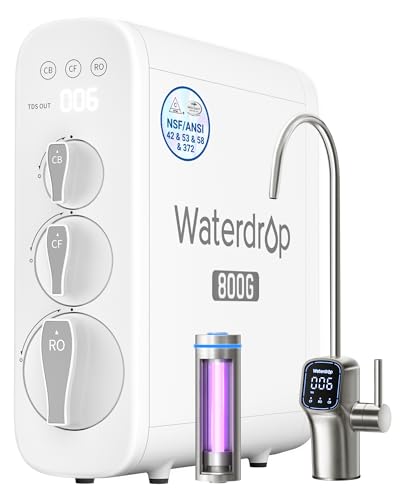
Waterdrop G3P800 — tankless high-flow when you want a modern experience
If you're already gutting the kitchen and want the new RO to feel current, the G3P800 is the move. It's tankless (no 4-gallon pressure tank to wedge under the cabinet with your old cast-iron drain), uses an internal pump that doesn't care if your supply is 40 PSI, and the smart faucet shows you TDS in real time — useful because galvanized contamination is variable and you'll want to watch for membrane fouling. The 3:1 pure-to-drain ratio is roughly half the waste of older systems. NSF/ANSI 42, 53, 58, and 372 certified across the board.
Check pricing: Waterdrop G3P800 Reverse Osmosis System.
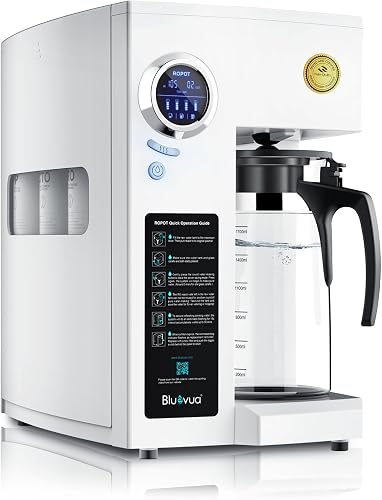
Bluevua RO100ROPOT — the renter-friendly bypass
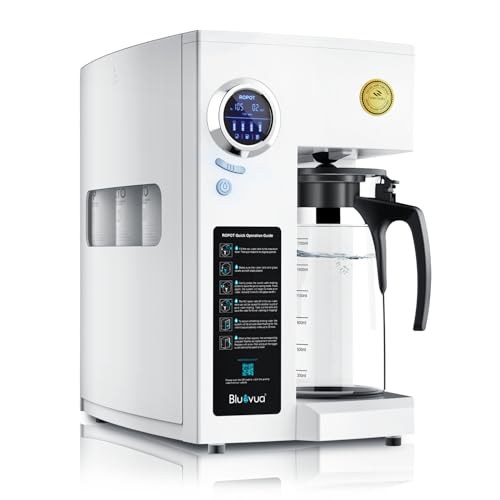
If your kitchen has the original 1920s cast-iron drain that you'd rather not tee into for an RO waste line, or your landlord won't allow under-sink plumbing modifications, the Bluevua countertop sidesteps the entire galvanized-pipe problem. You fill the front tank from any tap (or a separate filtered source), and the unit runs 5-stage RO on its own internal pump. No incoming pressure required, no sediment pre-filter to swap quarterly. WQA-certified, with remineralization on the back end so the water doesn't taste flat.
See it here: Bluevua RO100ROPOT Countertop Reverse Osmosis Water Filter System.
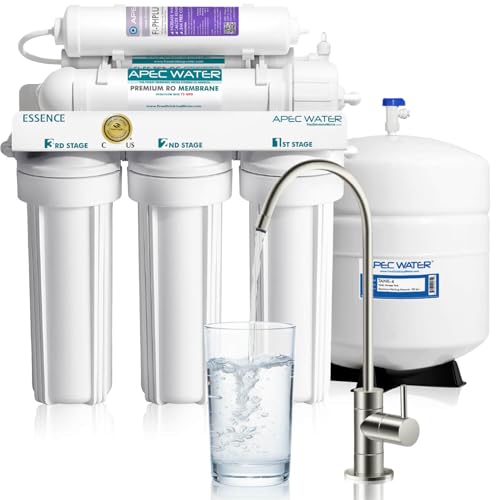
APEC ROES-PH75 — when only the kitchen branch was re-piped
Many 1920s homes have had a partial re-pipe — usually the kitchen and bath supply lines were swapped to copper or PEX in the 1980s, while the main from the meter to the basement is still galvanized. If your cold-water supply at the sink is modern and pressure tests above 50 PSI, you don't need a pump and the APEC ROES-PH75 is a better long-term value than a pumped system (no electrical, fewer failure points). The six-stage build adds calcium and magnesium back for taste, which matters when you're going from "old pipe water" to RO — the contrast in mouthfeel without remineralization can be jarring.
Buy: APEC Water ROES-PH75.
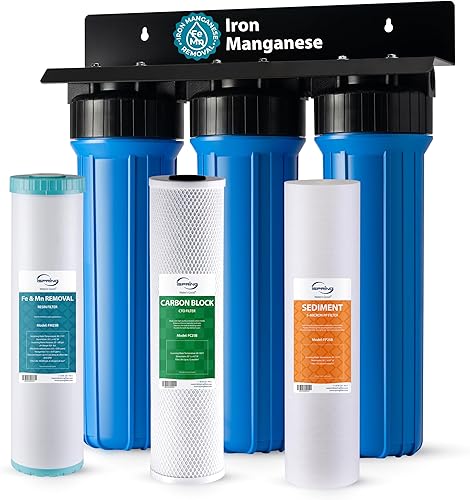
iSpring WGB32BM — the whole-house pre-treatment your RO needs
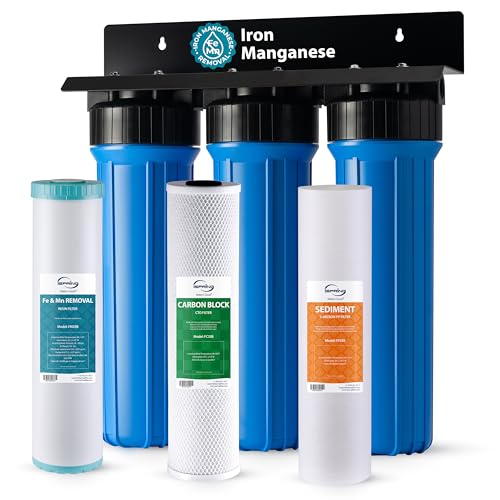
This isn't an RO system — it's the iron-and-sediment filter you install at the point of entry, ahead of whatever RO you put under the sink. For a reverse osmosis system 1920s home galvanized pipes scenario, this is arguably more important than the RO itself. The WGB32BM uses a dedicated iron/manganese reduction stage plus a 5-micron sediment cartridge in a 4.5"x20" big-blue housing, which will absorb years of rust shedding from your supply lines before it ever reaches the RO membrane. Run this with any of the under-sink picks above and your RO membrane life jumps from 12-18 months to 3-5 years.
Get it here: iSpring Whole House Water Filter System.
Installation considerations specific to pre-war homes
Before you order anything, do three things. First, measure your static line pressure at the kitchen cold tap with a $12 gauge from the hardware store. Below 50 PSI, you need a pumped system or a countertop. Second, pull the aerator off the kitchen tap and check what comes out — orange-brown sediment means high iron and you must add the whole-house pre-filter. Third, find your shut-off valve and confirm it actually closes. Original 1920s gate valves are notorious for failing open after 90 years of disuse; you may need to replace it with a quarter-turn ball valve before you start any RO install, and that's a job for a plumber if the supply line is galvanized (the threads will be partially welded by corrosion).
The saddle valve trap
Almost every RO system ships with a self-piercing saddle valve. Do not use it on galvanized pipe. The pin will pierce the zinc, accelerate corrosion at the puncture point, and leak within 2-5 years. Replace it with a proper compression tee or, better, have a plumber sweat in a copper tee with a 1/4" feed valve. This is the single most common reason 1920s-home RO installs fail.
Drain saddle on cast-iron waste
Same problem in reverse. If your kitchen drain is original cast iron, do not clamp a plastic drain saddle to it — the rubber gasket won't seal against the irregular outer surface of old cast-iron pipe. Either tee into a more modern section downstream or run the RO drain to an air-gap fitting at the standpipe under the sink.
What about lead?
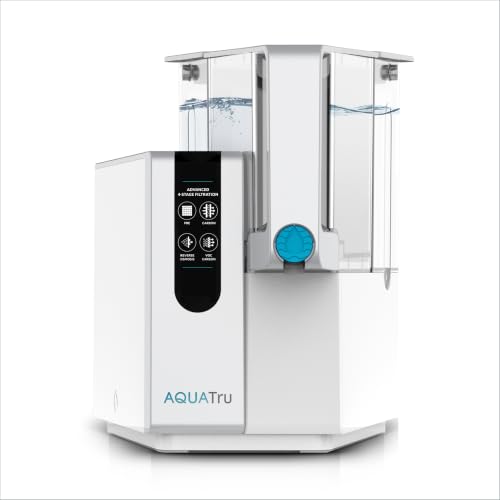
Pipes installed in 1920 are usually galvanized steel for the supply, but the service line from the street to the house in many cities was lead through the 1940s. The joints inside the house — solder at copper transitions added during partial re-pipes — may also be lead until 1986. RO membranes reject 95-99% of dissolved lead, so any of the under-sink picks above will produce safe drinking water. If you want belt-and-suspenders, the AquaTru Classic Countertop Water Purifier is independently certified for lead reduction and bypasses the whole question of in-house plumbing.
For deeper guidance on selecting the right unit, see our guide to choosing the right reverse osmosis system, and if pressure is your main concern, the walkthrough on adding a booster pump to an iSpring RCC7 applies equally to single-story pre-war homes with corroded supply lines.
Frequently Asked Questions
Can I install an under-sink RO if my 1920s house still has all original galvanized pipes?
Yes, but with two caveats. You'll need a system with a built-in booster pump (the iSpring RCC7P is the easiest path) because line pressure at fixtures in fully-galvanized homes typically runs 25-40 PSI, well below the 50 PSI minimum for an unpumped membrane. You also need to use a compression tee instead of the included saddle valve, and budget for more frequent pre-filter changes — every 3-4 months instead of 6-12, until the system has flushed accumulated debris from the supply line.
Will RO damage my old galvanized pipes?
No. The RO system draws a small volume of cold water from a single feed point and produces drinking water at a separate dedicated faucet. It doesn't change the chemistry of the water flowing through the rest of your plumbing. The waste line from the RO drain goes into your sink trap, not back into the supply, so there's no corrosion risk to the existing pipes.
How long will the RO membrane last with old plumbing feeding it?
Without pre-treatment, expect 12-18 months instead of the rated 2-3 years, primarily because iron and sediment from galvanized pipe foul the membrane surface. With a whole-house sediment/iron filter like the iSpring Whole House Water Filter System installed upstream, membrane life returns to the manufacturer's 2-3 year specification. Read more about maintaining a reverse osmosis system for the full schedule.
Is a countertop RO good enough for a 1920s home, or do I need under-sink?
For a single-person or two-person household, a quality countertop like the Bluevua RO100ROPOT or AquaTru Classic Countertop Water Purifier is genuinely sufficient and bypasses every plumbing-related failure mode. Under-sink systems make more sense for households of 3+ or for cooking water use, where the convenience of an always-on dedicated faucet outweighs the install complexity.
What pre-filter micron rating should I use with galvanized supply?
Run a two-stage pre-filter setup: 20 micron first to catch the large rust flakes, then 5 micron to polish before the carbon block and membrane. A single 5-micron filter will clog within weeks. Most quality under-sink RO units (iSpring RCC7, APEC ROES-PH75) already do this internally, but you'll want to swap to graded-density sediment cartridges and shorten your replacement interval for the first year.
Do I need a separate water softener too?
Probably not just for RO performance — the membrane handles hardness fine up to about 10 grains per gallon. But if your area runs harder than that, a softener upstream extends membrane life and reduces scale on the rest of your fixtures. For most 1920s homes, the bigger upstream concern is iron and sediment, not hardness, so prioritize the iron filter first.
Will the RO faucet fit my original 1920s sink?
Maybe. Original cast-iron farmhouse sinks often have no knockouts, so you'll either drill a new hole (carbide bit, slow speed, plenty of cutting oil — or hire it out) or repurpose the side-sprayer hole on a replacement sink. The iSpring top-mount faucet design is the most forgiving because it doesn't require under-deck access while you're tightening the mount nut, which matters when the sink is bolted to a 1920s wood counter from below.
Key Takeaways
- Choosing the right reverse osmosis system 1920s home galvanized pipes means matching the key features to your specific needs and budget
- Read real customer reviews and check the return policy before you commit
- Also covers: RO system old house galvanized plumbing
- Also covers: vintage home reverse osmosis retrofit
- Also covers: pre war home RO installation
- Compare value across models — the priciest option is not always the best fit